
History Nerd Nirvana – Getting my Cultural Refinement On In Mexico City
In between bouts of eating, I explored some of the cultural and artistic offerings of the city. And they are many, everywhere! You can just stroll around Centro Histórico and absorb the architecture: Spanish Colonial buildings, cathedrals, churches, baroque facades, art deco ornamentation. Walk into a random building and you may just find a Diego Rivera mural inside. Walk the Zócalo, go inside the Metropolitan Cathedral. You can both wander on your own with your own map, or get a guide to make sure you don’t miss any hidden spots.
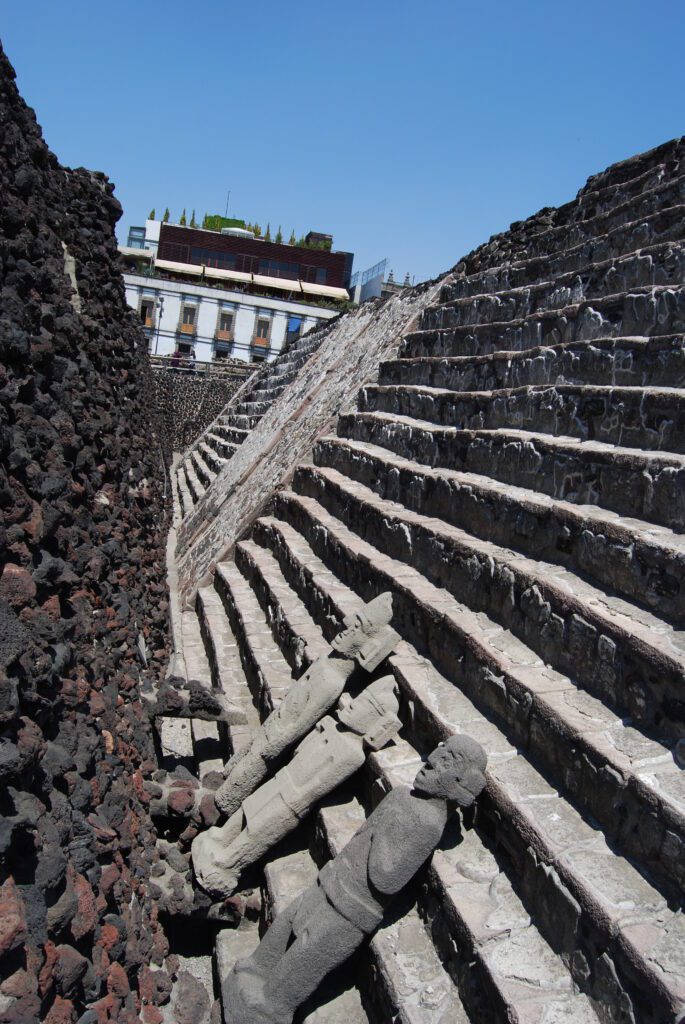
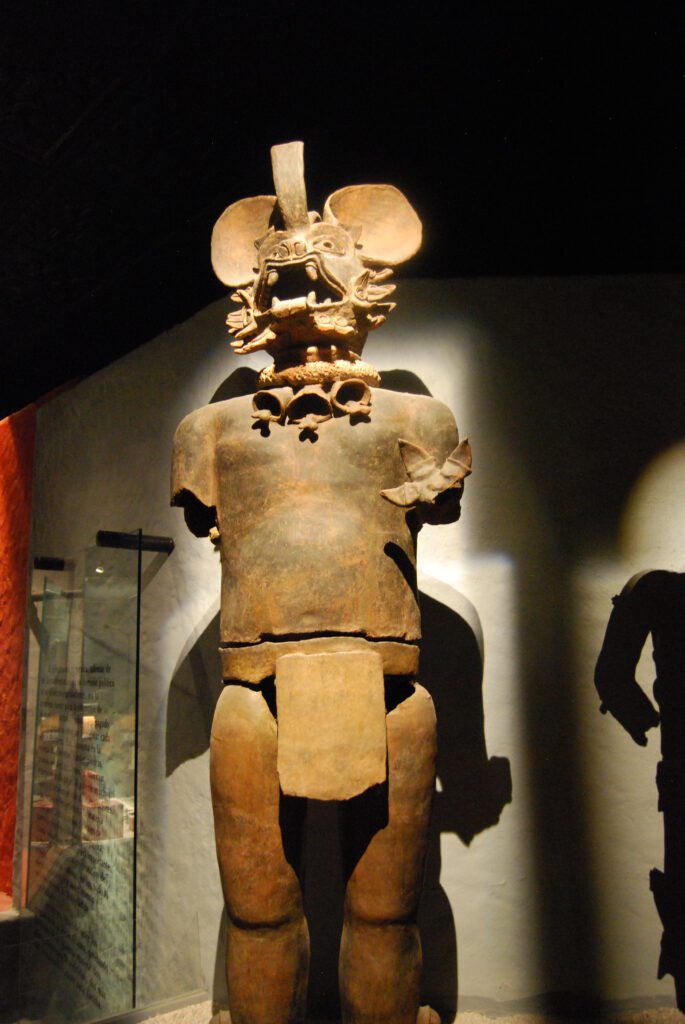
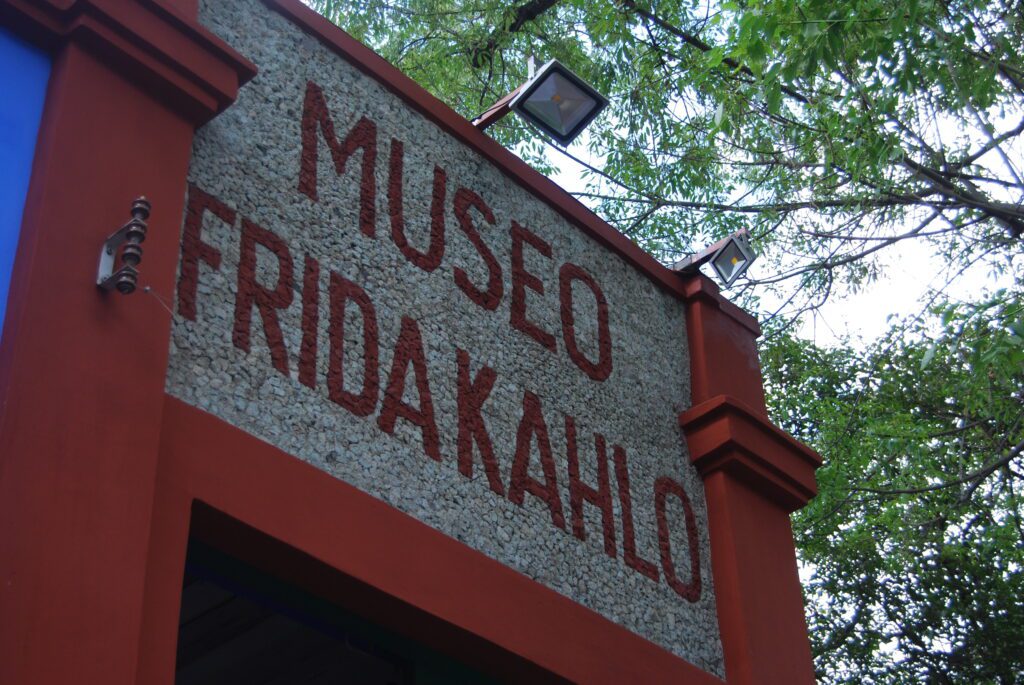
If you are a history nerd, learning about the Mesoamerican cultures that were here before the Spanish is a must. The large National Museum of Anthropology located in Chapultepec Park has over eight rooms dedicated to different pre-Columbian civilizations as well as civilizations post Spanish arrival. If this large museum is intimidating or you are short on time, the Templo Mayor Museum in Centro Histórico is also great. I mean, obviously you should do both, but it is a smaller option, and the in situ ruins, what remains of the Aztec temple after the Spanish razed it an built the cathedral and square, are a plus. Another must do is Frieda Kahlo’s La Casa Azul and the new Kahlo Museum. If you plan to see her home, I highly recommend you purchase tickets ahead of time. Tickets sell out regularly. You can not only view some of her art, but get insight into Frida and Diego’s lives in this home. If you go to La Casa Azul, make a day of exploring the neighborhood of Coyoacán. There some great artisan markets and crafts nearby. I have been to those venues in previous visits, so turned my attention to museums I had not visited.
Museo Nacional de Historia
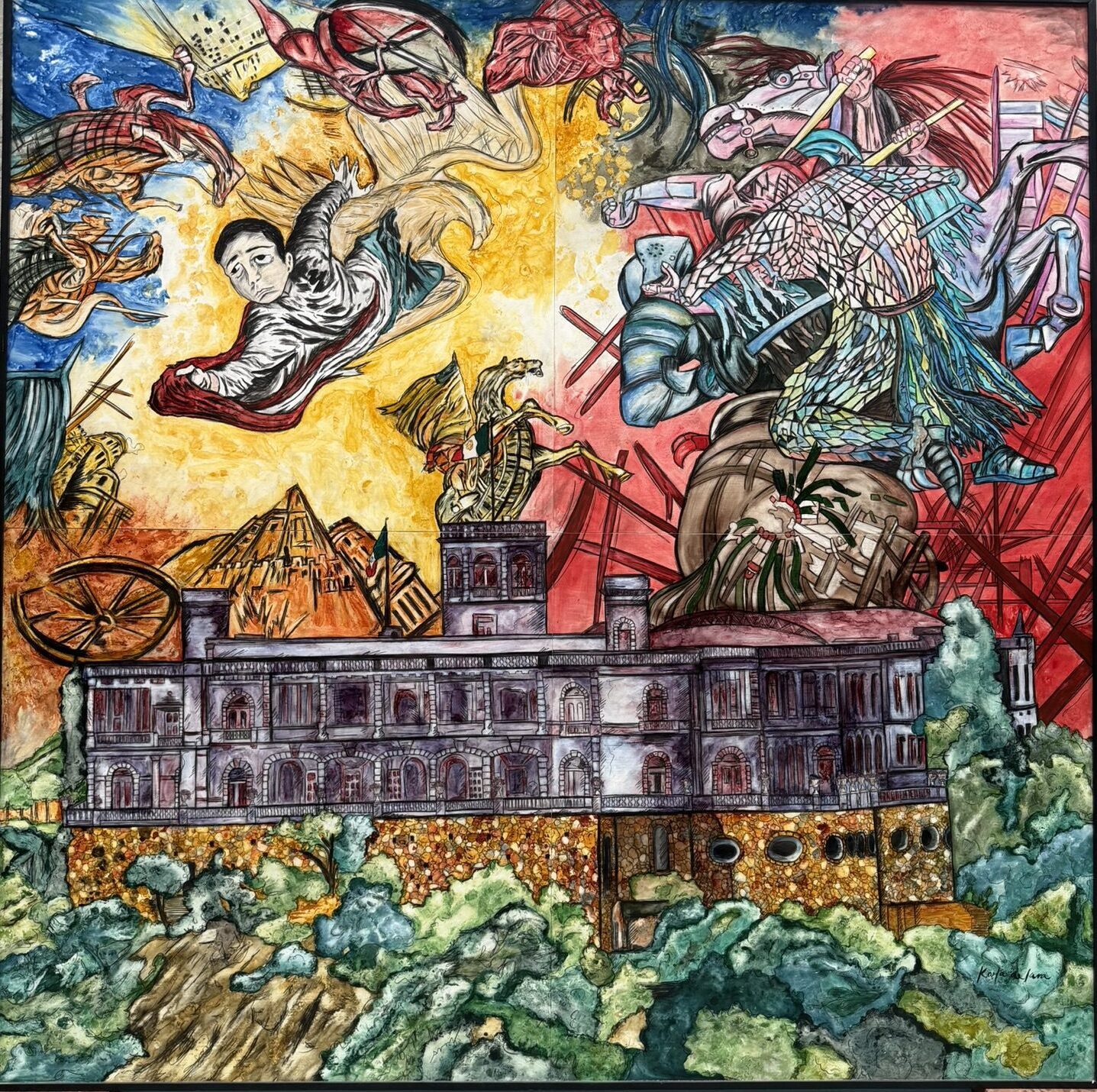
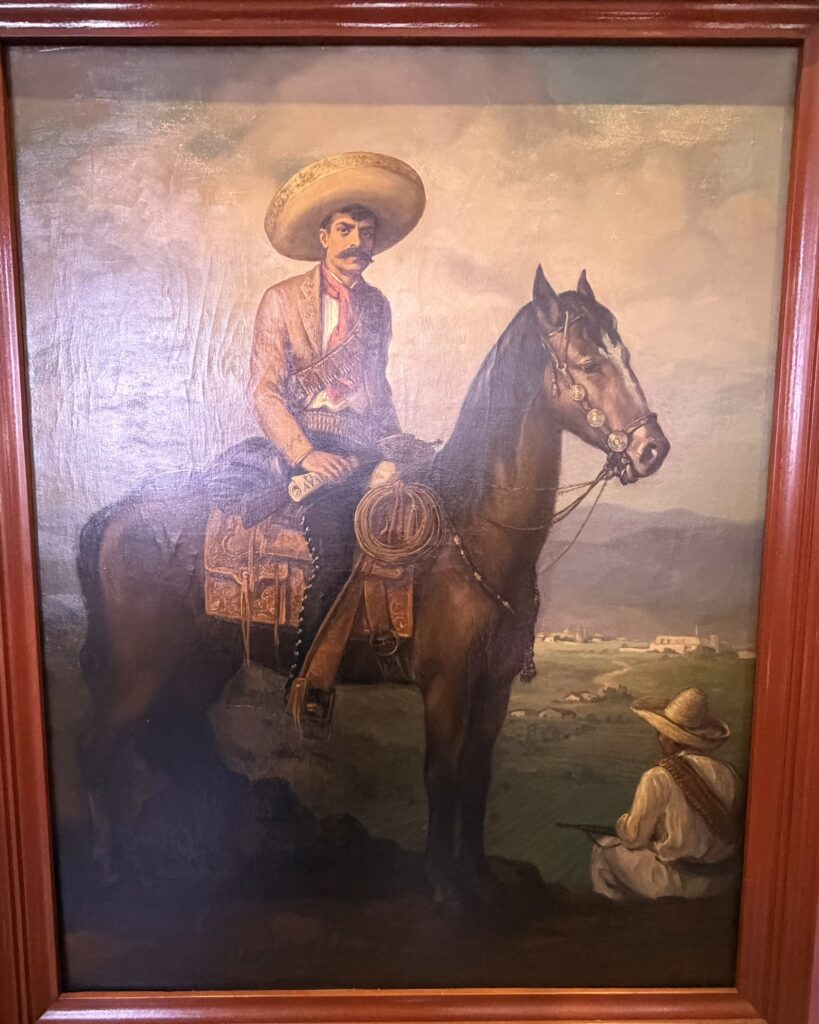
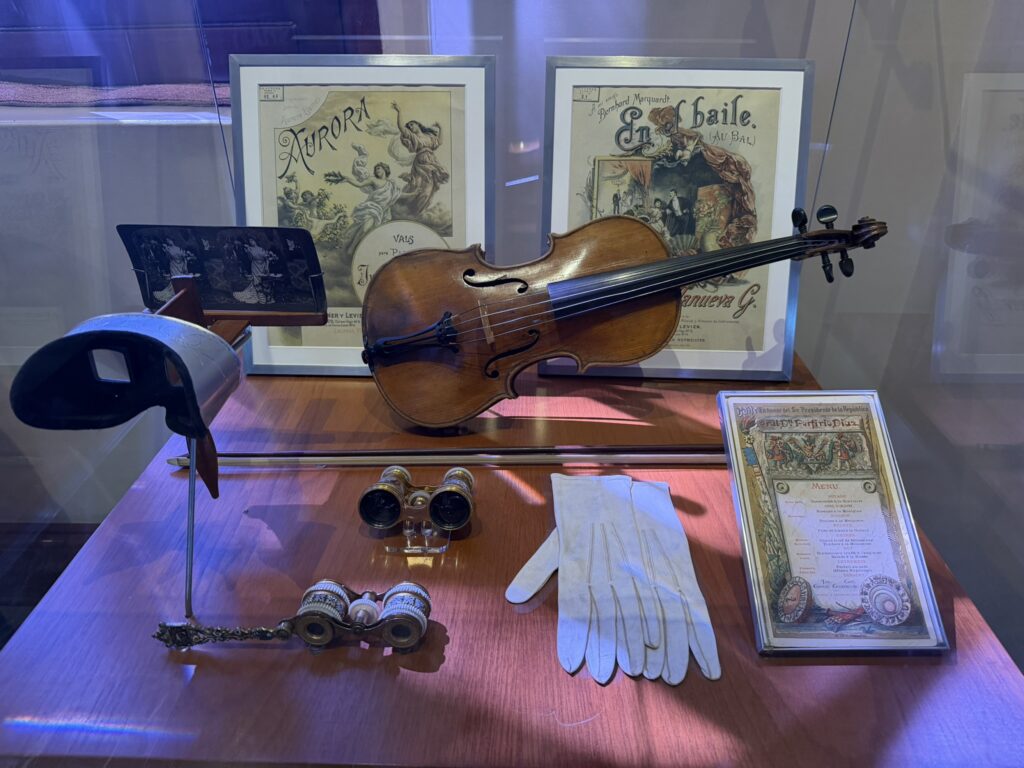
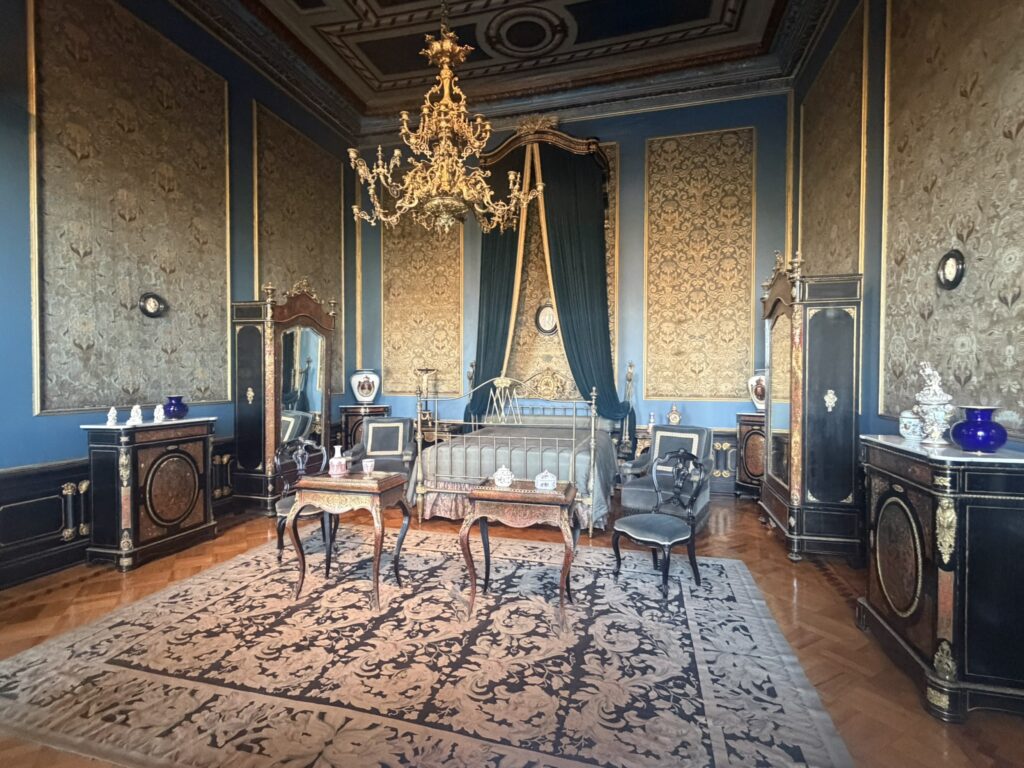
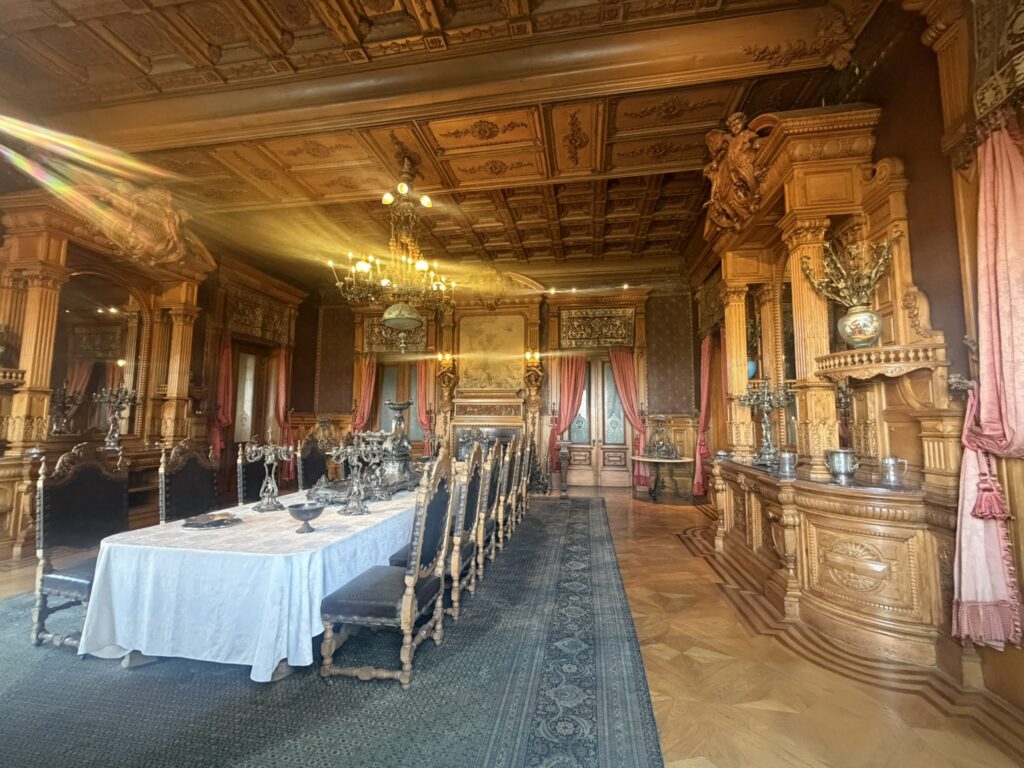
I love a history museum, but I know they aren’t for everyone. It can involve a lot of reading and sometimes the artifacts are limited, but history is my jam. Mexico City’s is inside Chapultepec Castle, which has served as both an imperial and a presidential residence. History and a castle? In the Americas? Friends, you can imagine how verklempt this made me. I arrived mid-morning to a very long line. I was regretting not purchasing one of those skip-the-line tickets and prepared to wait. But luckily, the line moved fast. I was at the ticket counter in about 20 minutes. As the fact that this is a castle implies, it is on top of a large hill. It’s another 20 minutes of a steady up hill walk to the castle. Note, there is no food or drink allowed inside the museum and officials are serious about enforcing it. There were two bag checks along the route and I was force to trash my full bottle of water. Also, there isn’t anything to eat once you are within the ticketed area, so make sure to eat before you start your day here.
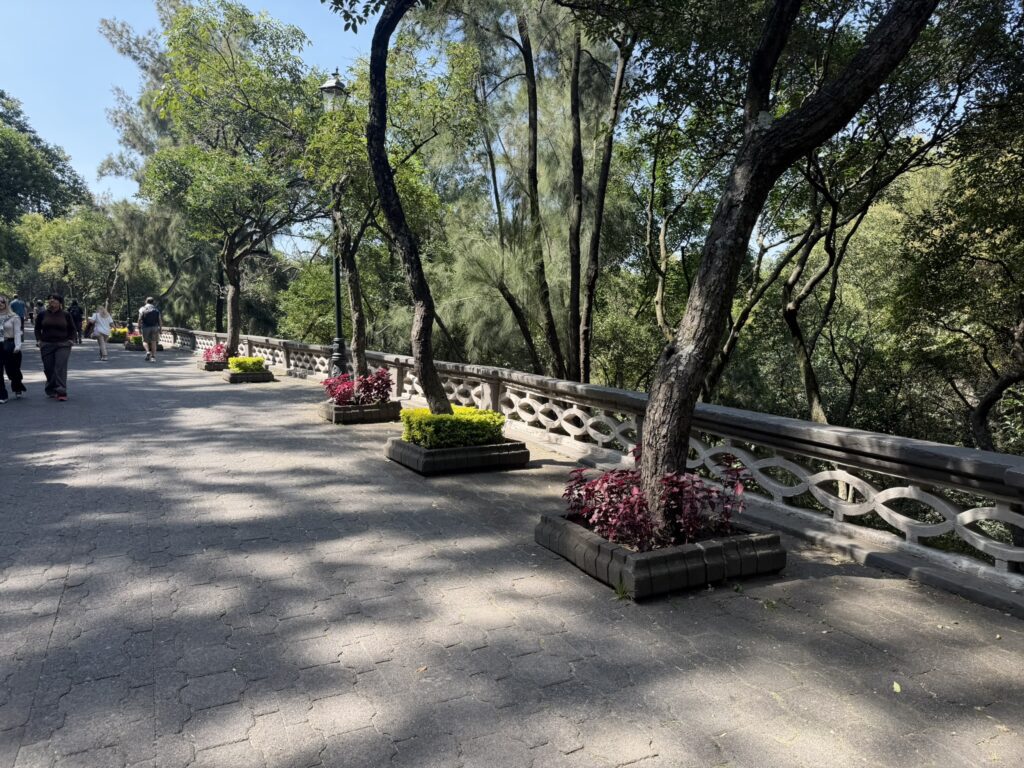
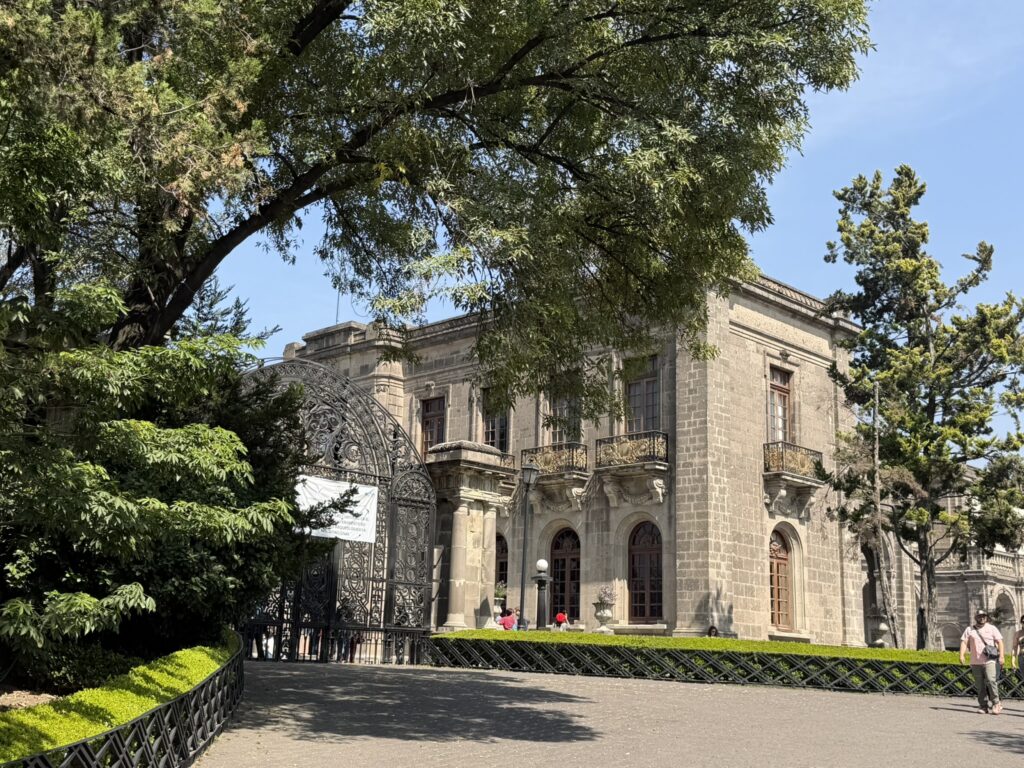
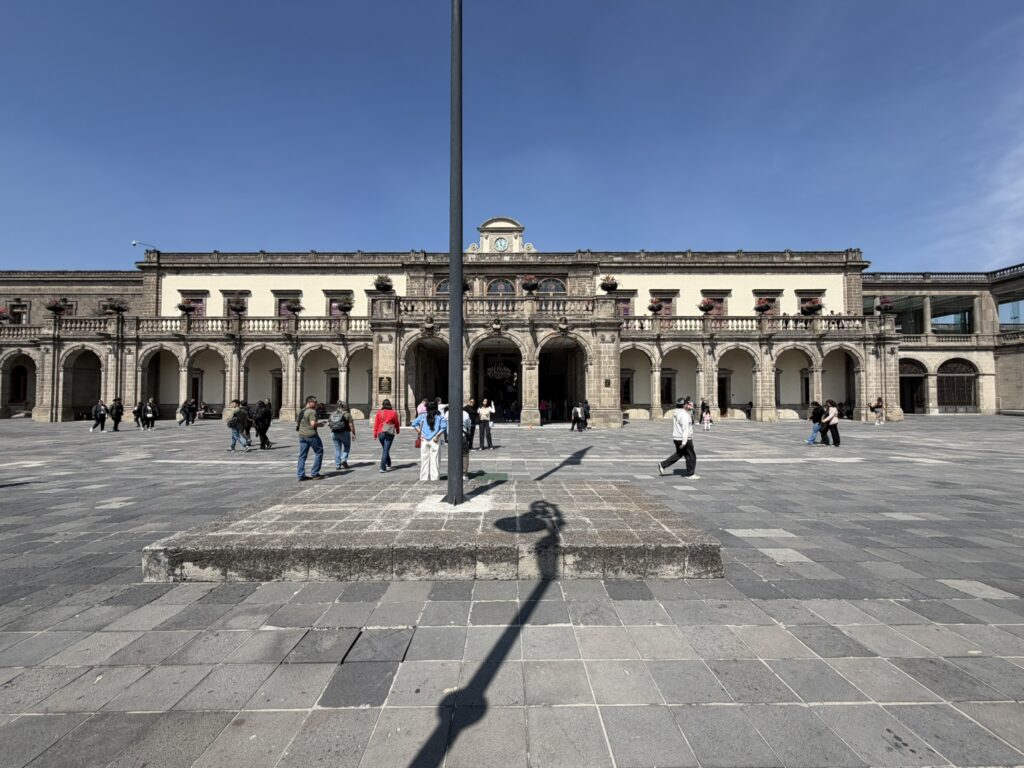
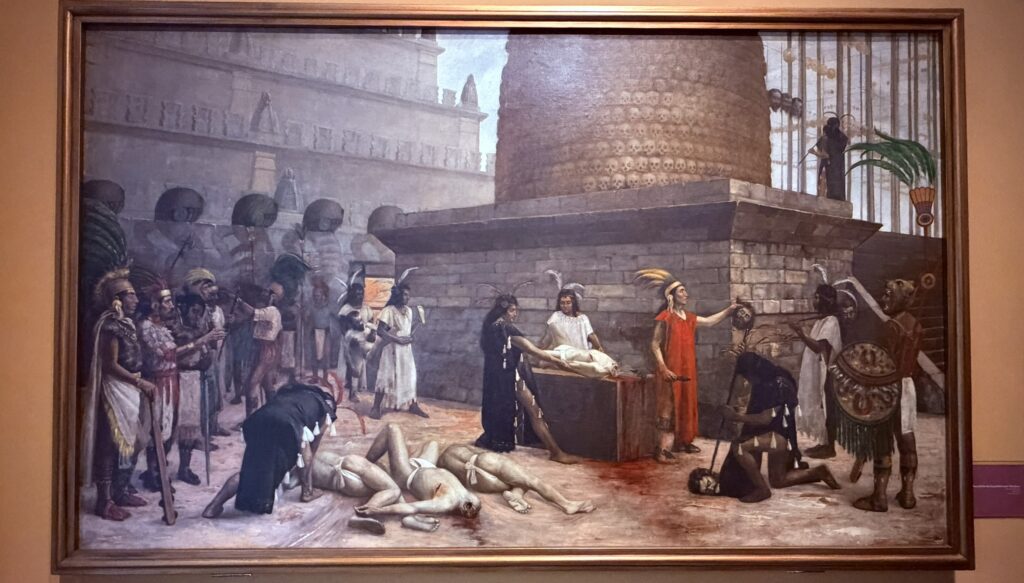
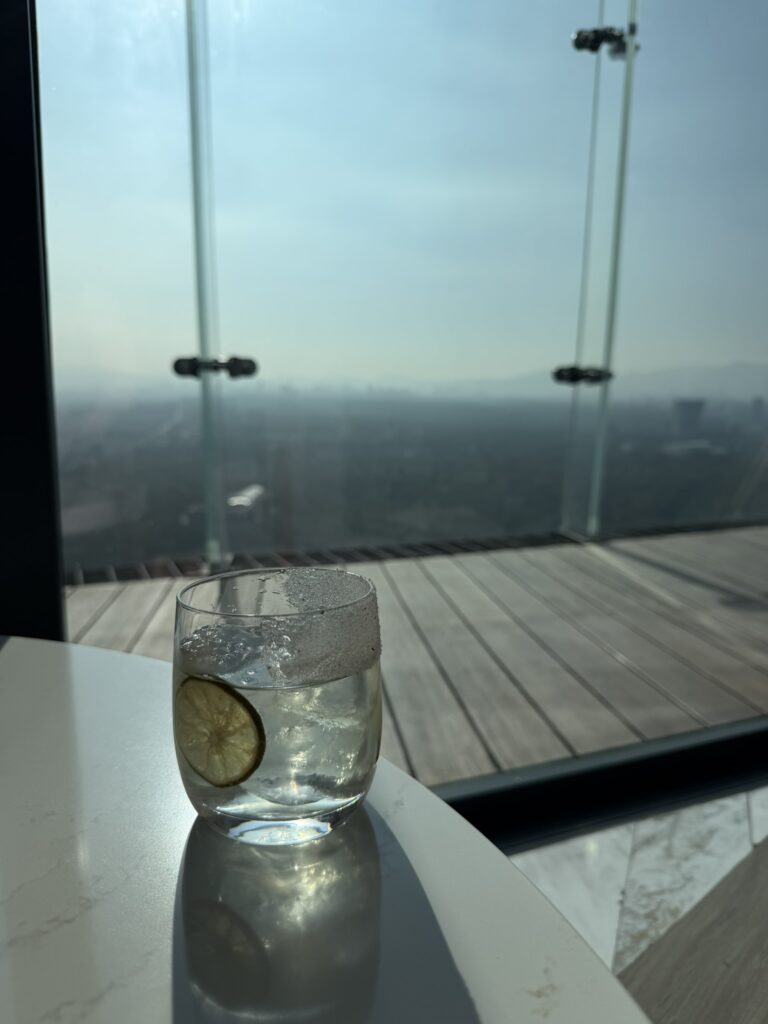
Prepare to spend half a day at this museum. First, the history. The exhibits are organized by timeline, starting in pre-Spanish, through colonization, independence, and revolution. There aren’t a lot of artifacts from pre-colonization. Those artifacts are in other museums. There wasn’t an audio guide and all signage is in Spanish, but it wasn’t hard to follow along. What I liked about this museum is there are a lot of items, mostly paintings, used to tell the story. After learning about the history of Mexico, I visited some of the preserved rooms from when this building was a residence and office for rulers. I love historical furnishings and old homes, so even though I was flagging some, I visited every room. After almost four hours, I was beat and starving. As I walked down the hill, I pondered my best options for an immediate meal. I could see the Ritz Carlton in the distance and wondered if they had a sky bar. Yep! On the expensive side, but I enjoyed a refreshing margarita and ceviche with a skyline view of the city.
Museo Nacional de Arte
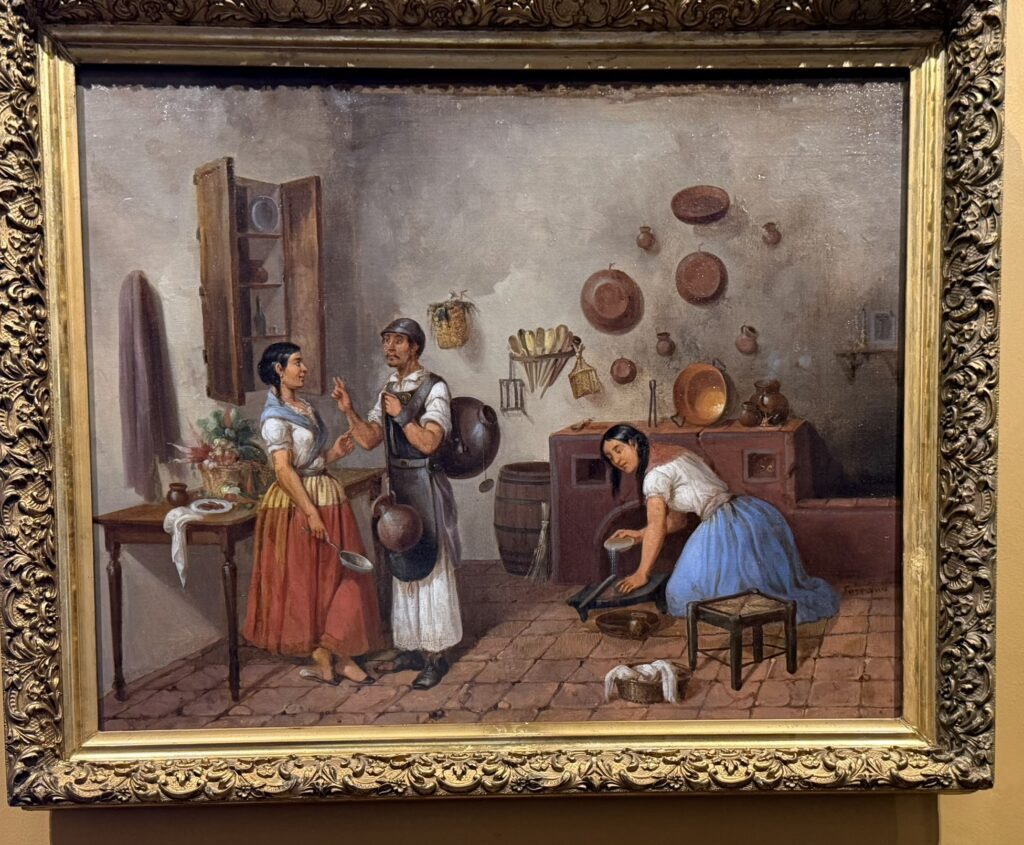
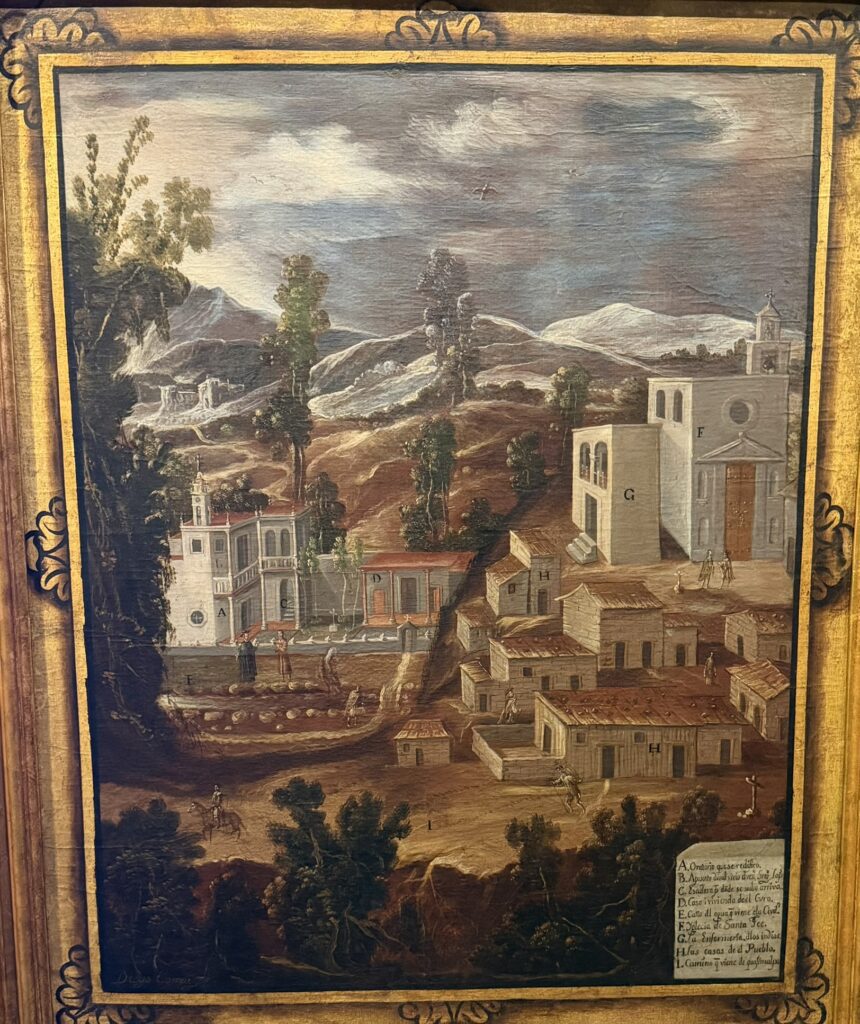
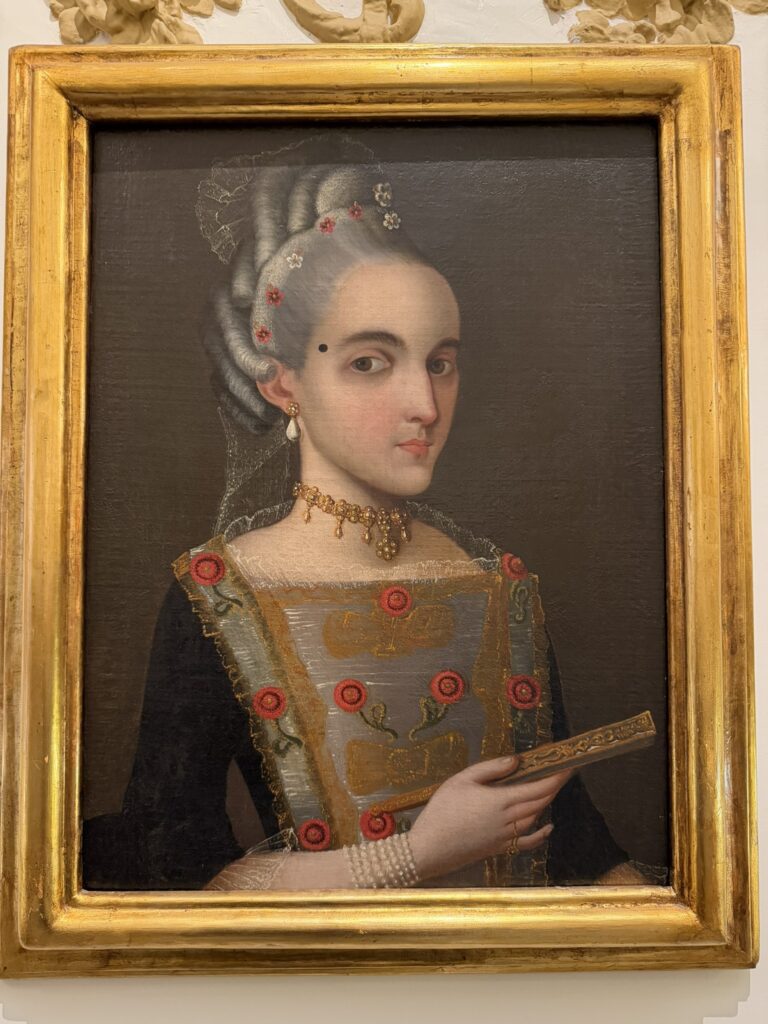
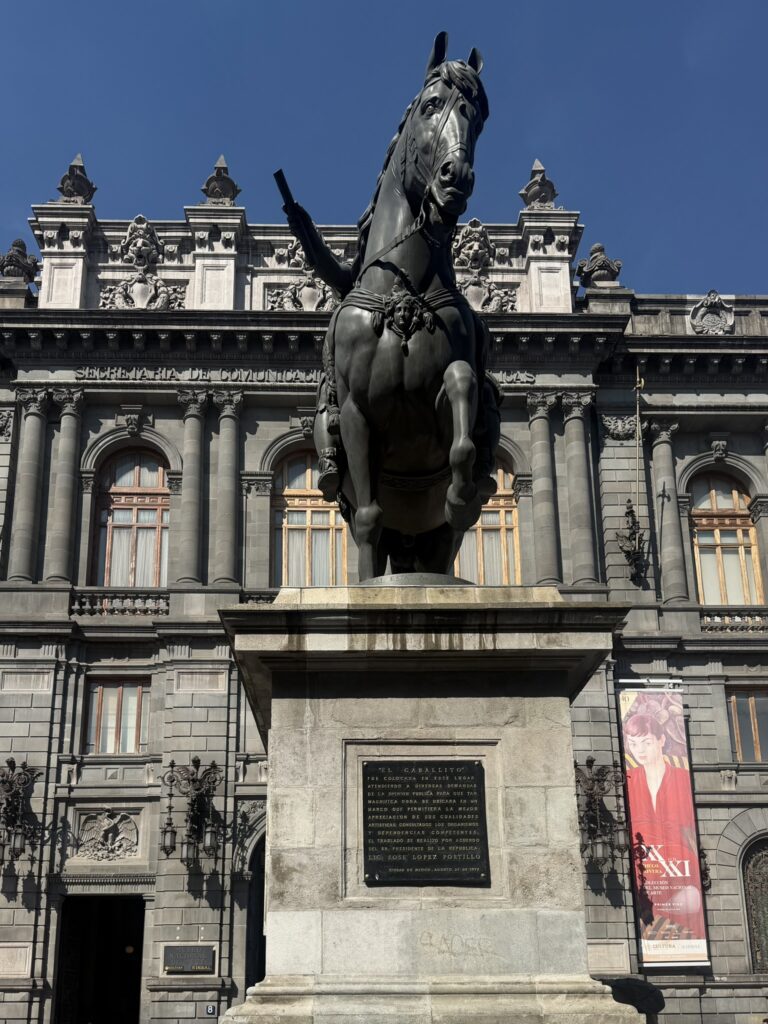
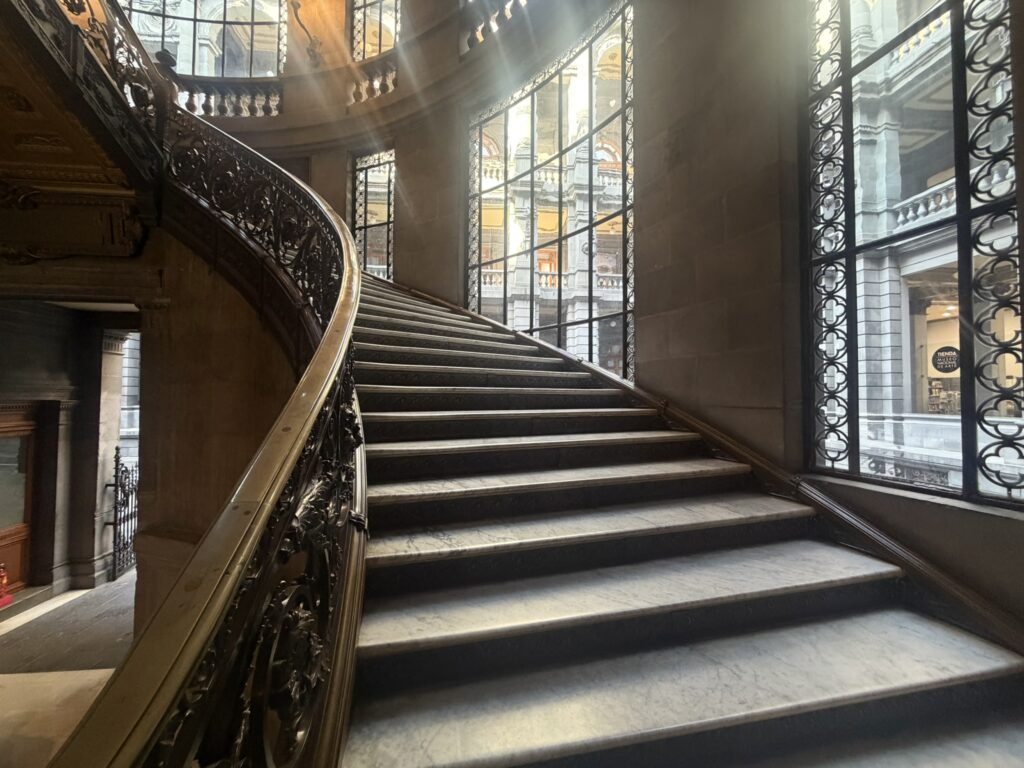
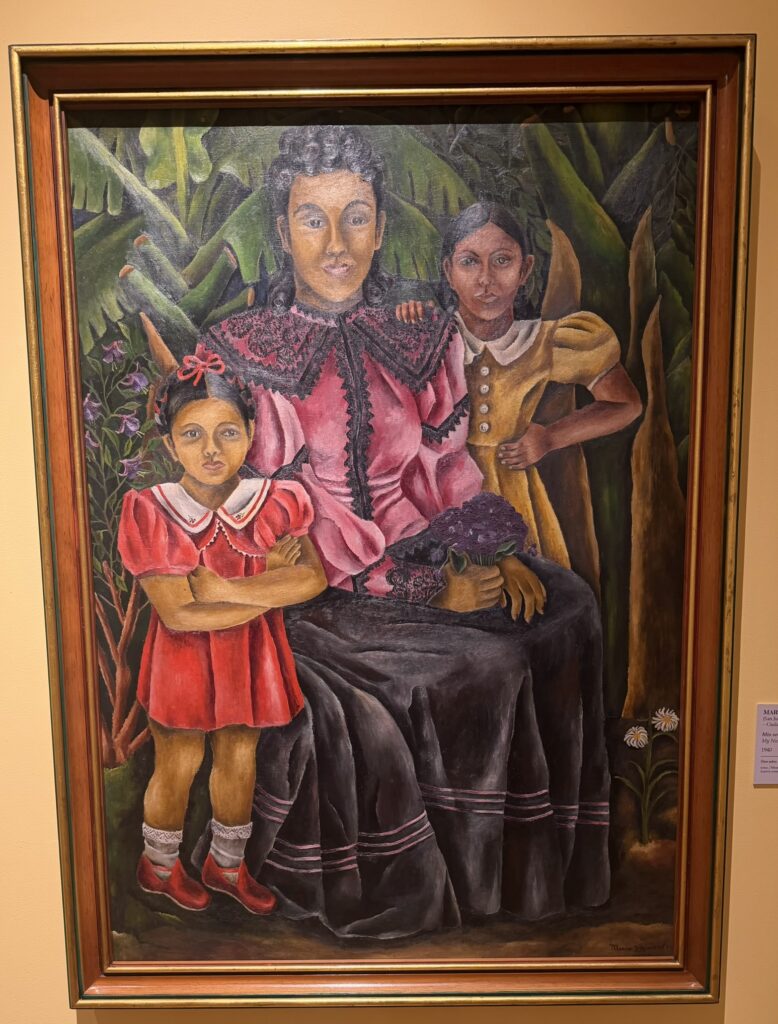
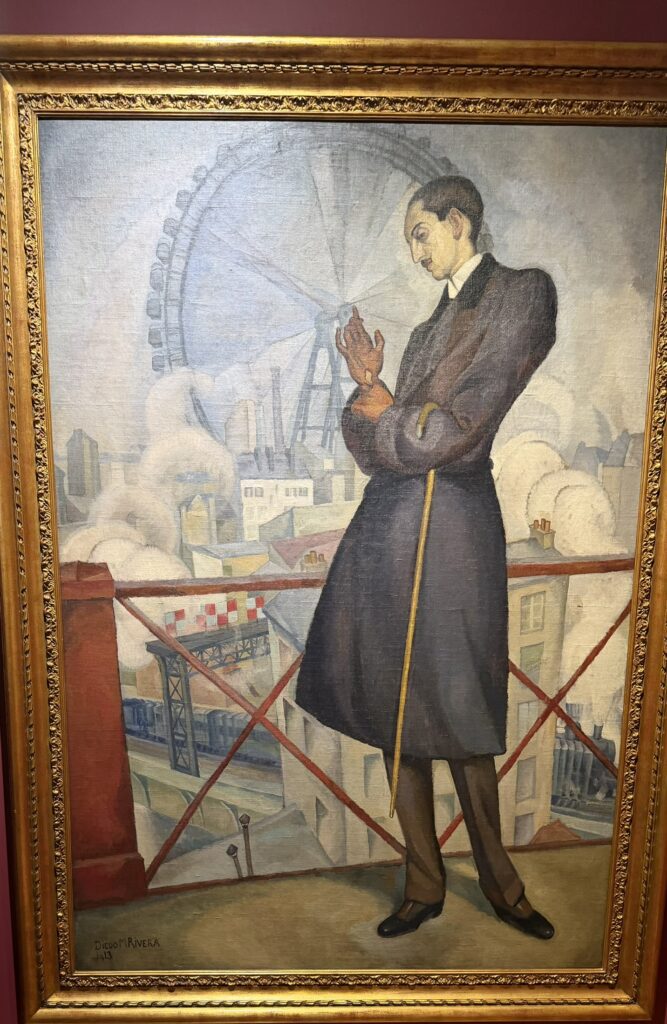
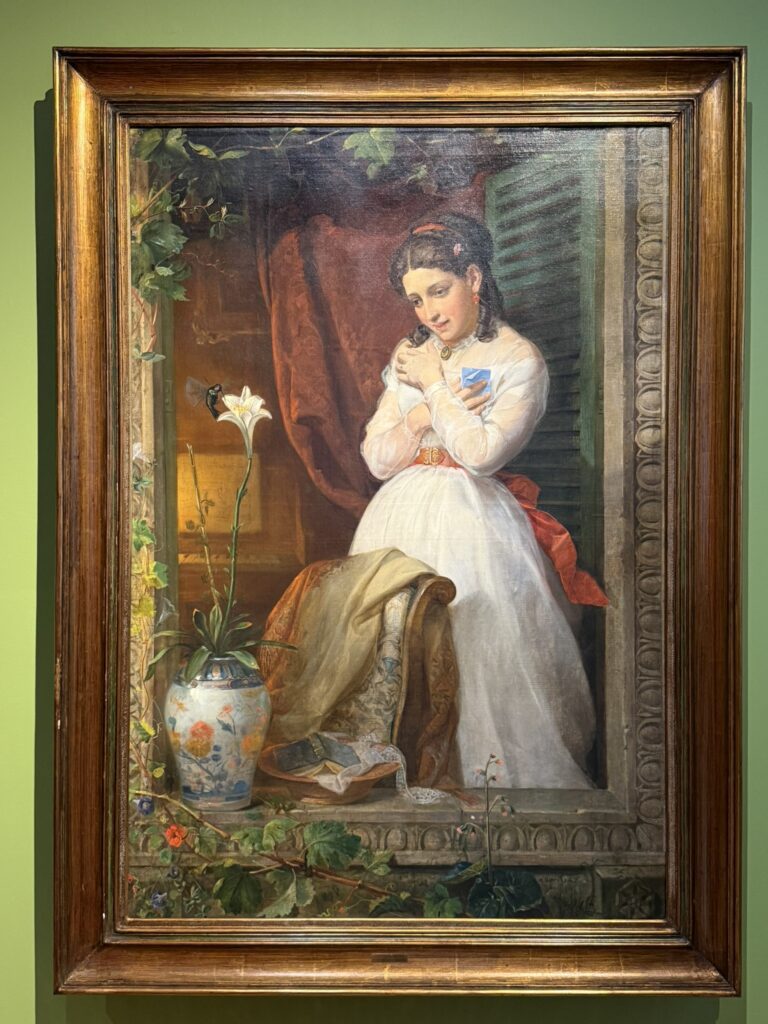
The MUNAL is located in another beautiful, neoclassical building, the former Palace of Communications in Centro Histórico. To view the collection, you walk up the beautiful spiral staircase and start at the top. The museum is a showcase of Mexican artists from the colonial period to the twentieth century. Many of these artists studied in Europe as well as fine art institutions in Mexico. It was very interesting to see Mexican paintings with European influences. There were a lot of paintings from the Middle Ages, one of my favorite eras. I really love the strong red and gold colors. And the portraits! There’s just a certain mystery about a portrait from 16th and 17th centuries. I always wonder what the person was like and what clues the portrait conveys. And the ladies are often dripping in jewels which I like. I really enjoyed seeing what the impressionist era was like for Mexican artists. The museum had several Diego Rivera paintings, but I didn’t see a Frida Kahlo. I’m not sure why; perhaps they are all in other museums.
Palacio de Bellas Artes
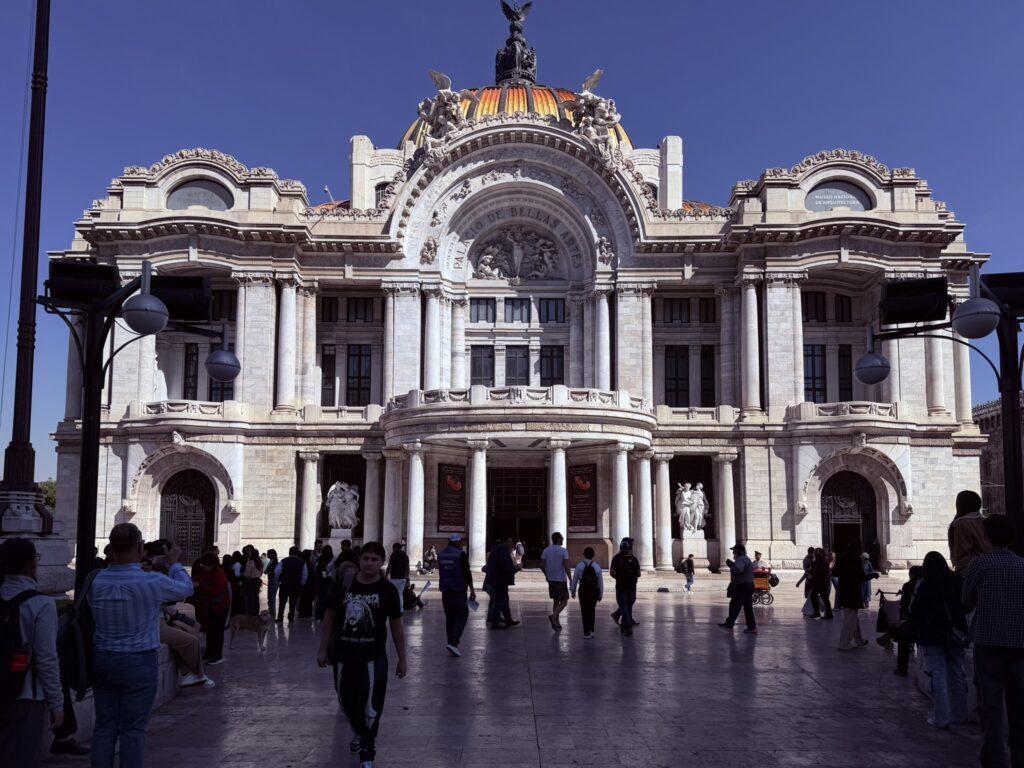
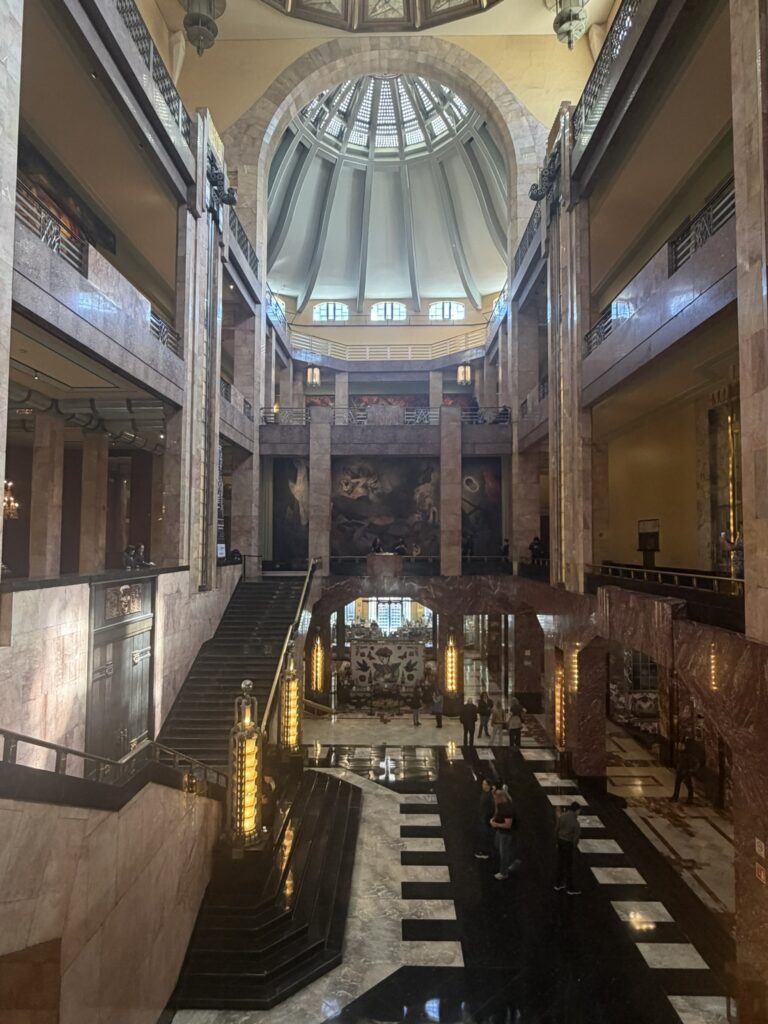
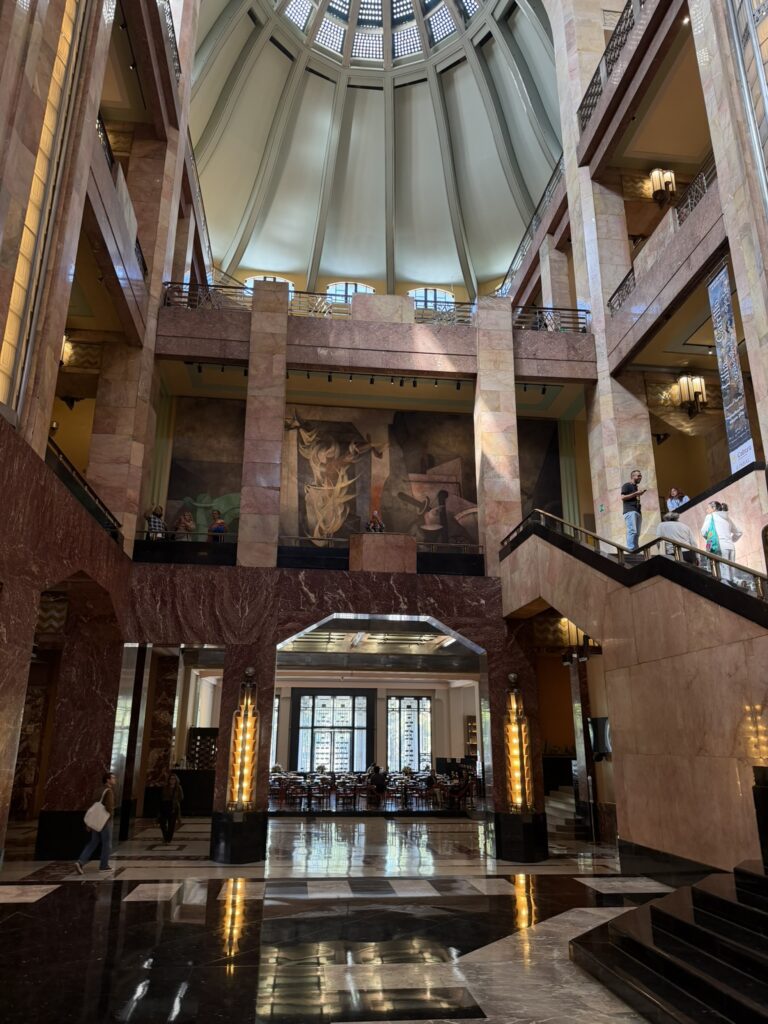
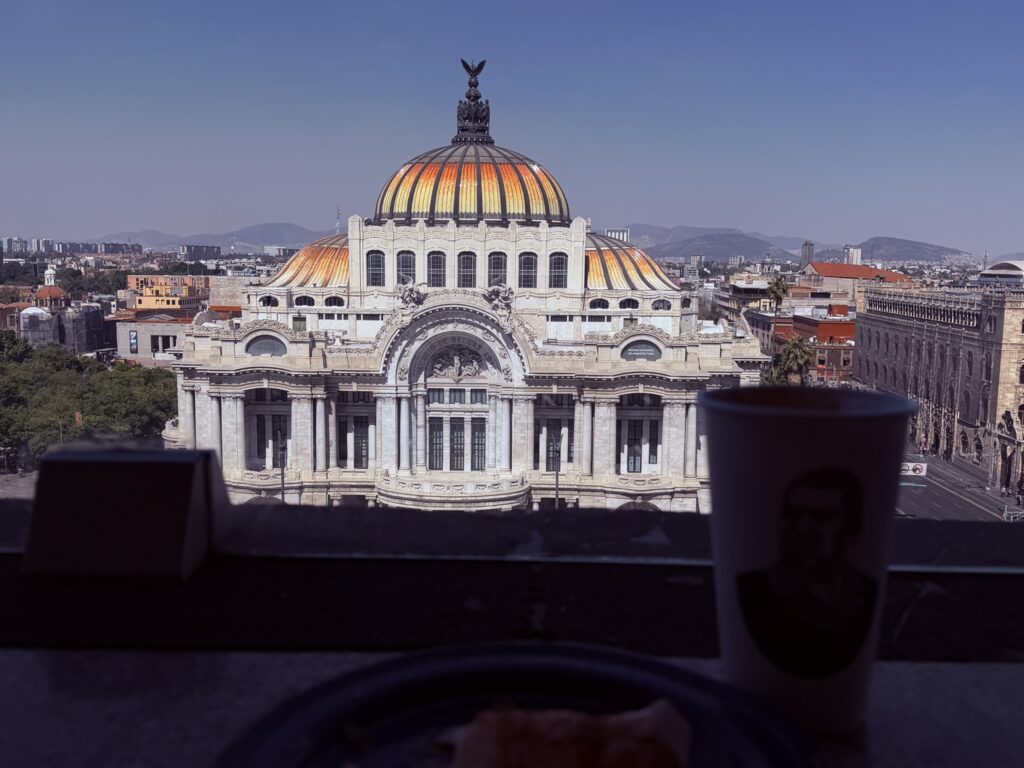
This iconic building is everything to me. It is so beautiful, with its art nouveau façade outside and art deco decoration inside. Anyone traveling within Centro Histórico will see this gorgeous building. I decided on a private tour to learn about this amazing building and the art inside. Important note, the ticket gets you inside the lobby and main areas to see the murals; it does not get you inside the theater. The theater is worth seeing, but you will need to see an actual show to get inside. (My guide told me sometimes there are openings of the theater to the public but did not have details.)
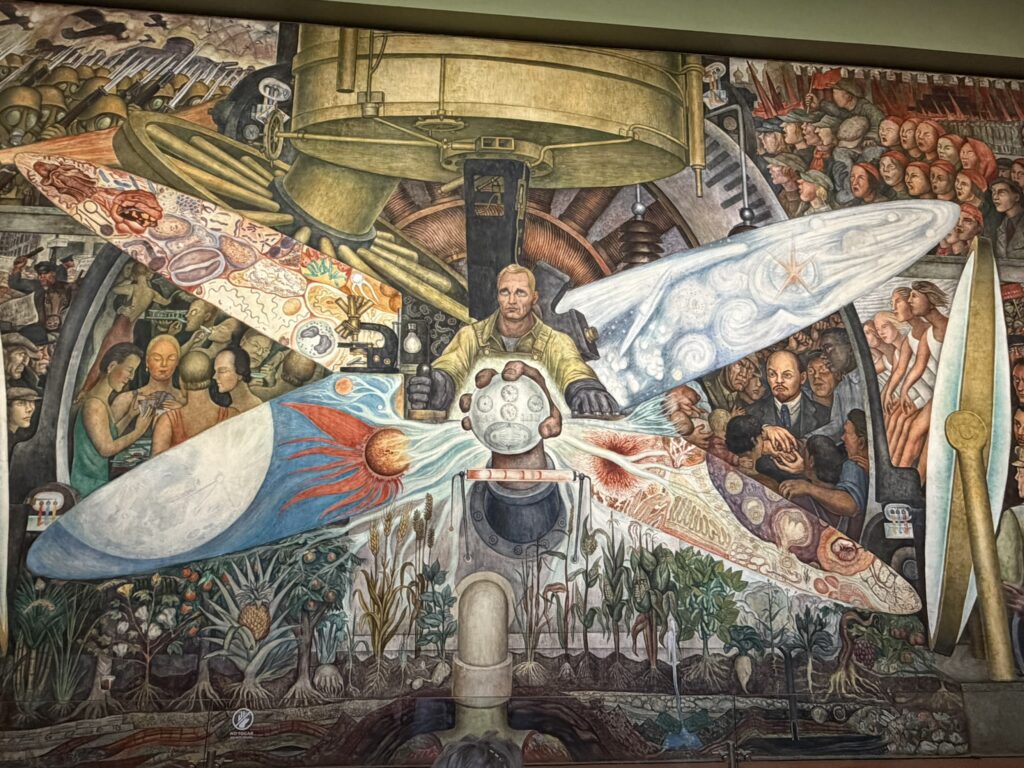
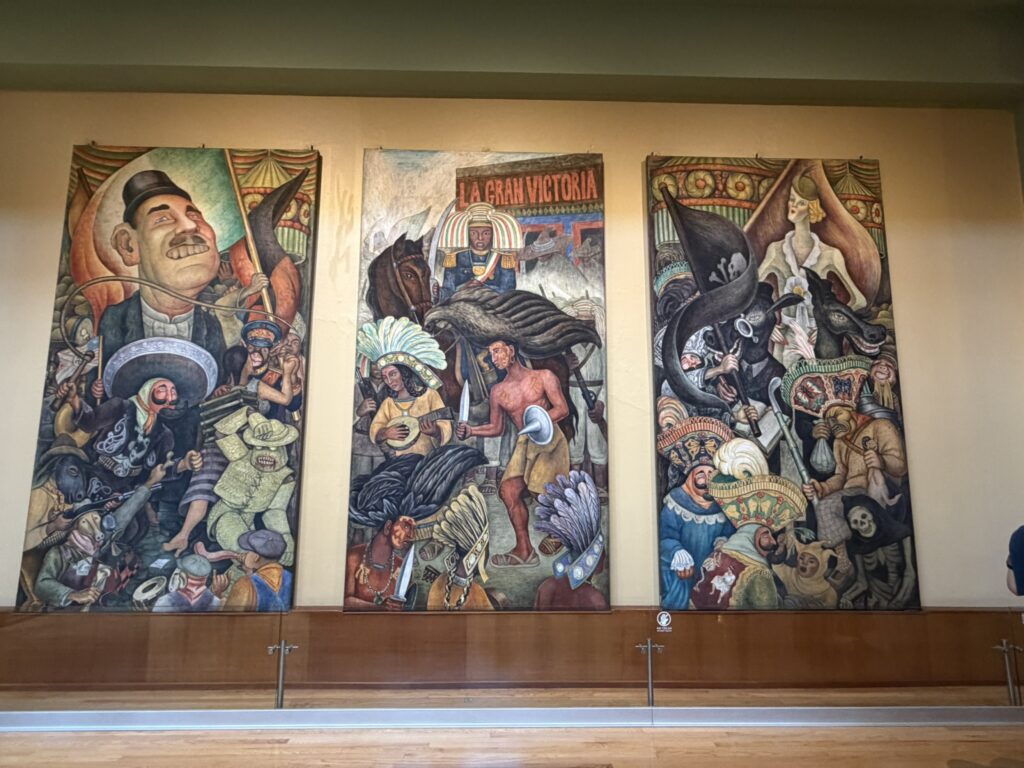
There was a good crowd inside the building, mostly tour groups. Inside there are murals by Diego Rivera (the largest crowds) but also murals by Rufino Tamayo, Jorge González Camarena, Roberto Montenegro, David Alfaro Siqueiros, Jose Clemente Orozco and one of my favorite murals here by female artist Rina Lazo. The early twentieth century was a time of political unrest and activity in Mexico. These large murals have a lot going on in them, with a lot of abstract styles such as surrealism and cubism. I appreciated having a guide to explain the goals, symbolism and impact of these murals.
On the advice of my guide, after the tour I headed to the Sears building across the street, my goal the café Finca Don Porfirio. I was worried that it would be very crowded and I would not get in. Turns out, I only had a wait of about 10 minutes before being seated. This café keeps it moving. They tell you up front that your time is limited to 30 minutes. You start at a back table to order your food. Shortly after your food arrives, you are cleared to move to the bar with the amazing view of the Palacio. After taking some photos, finishing my amazing nissiaba bupo (a corn drink with white chocolate) and croissant, I was on my way to my next stop.
Palacio de Correos (Palacio Postal)
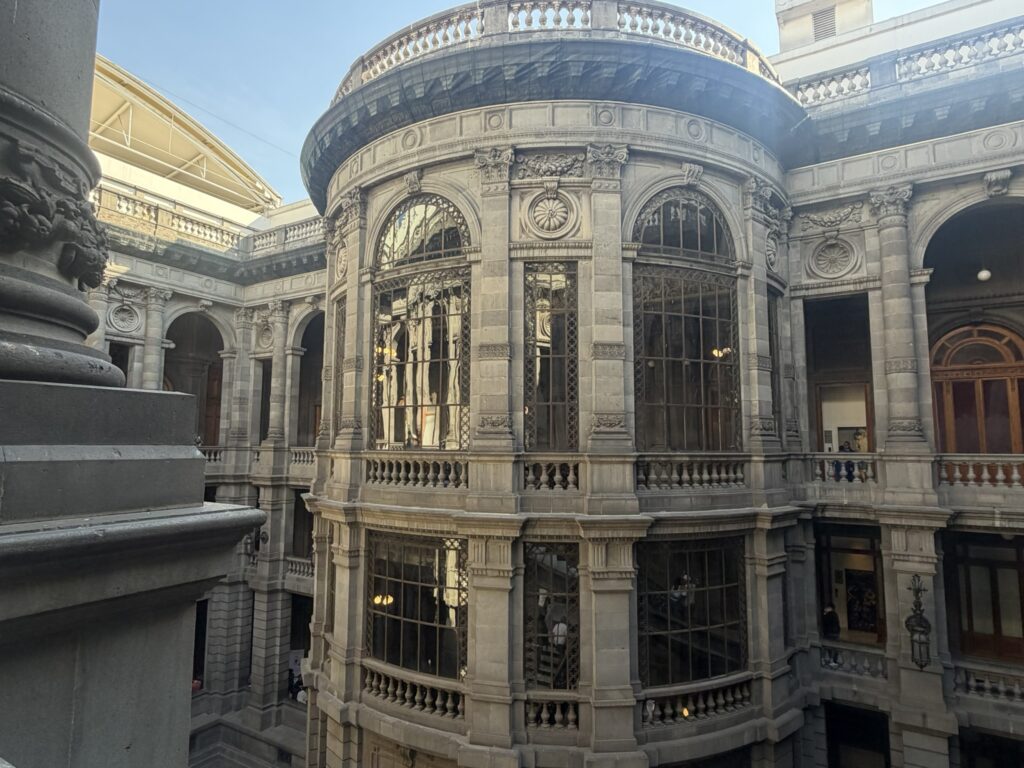
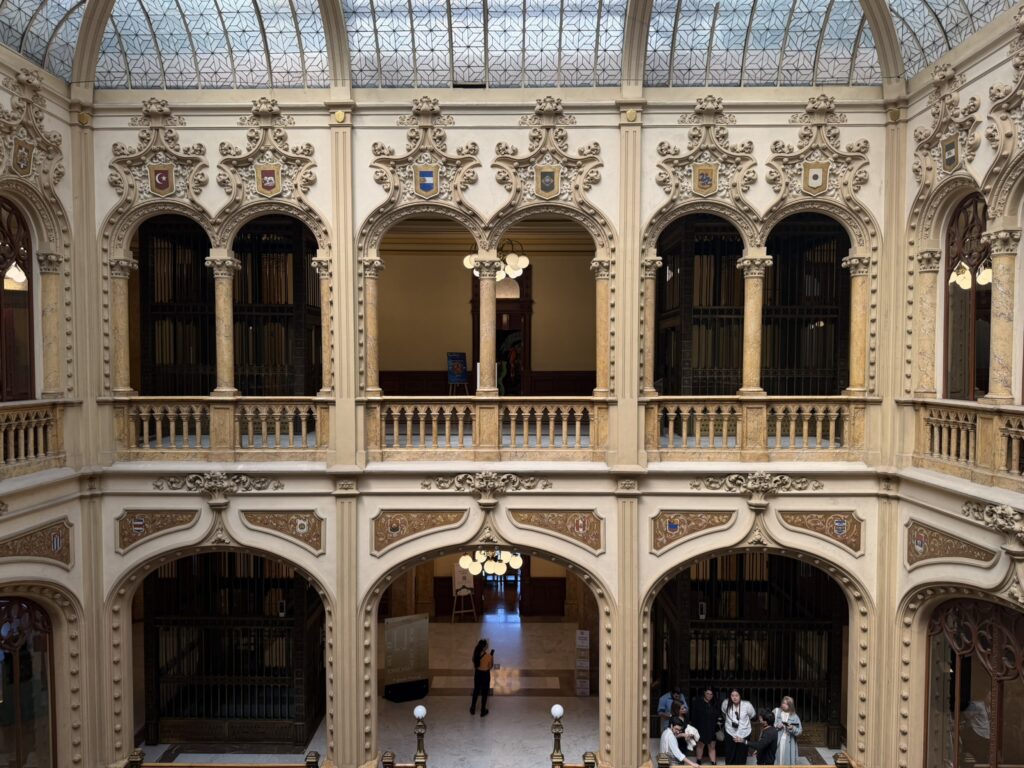
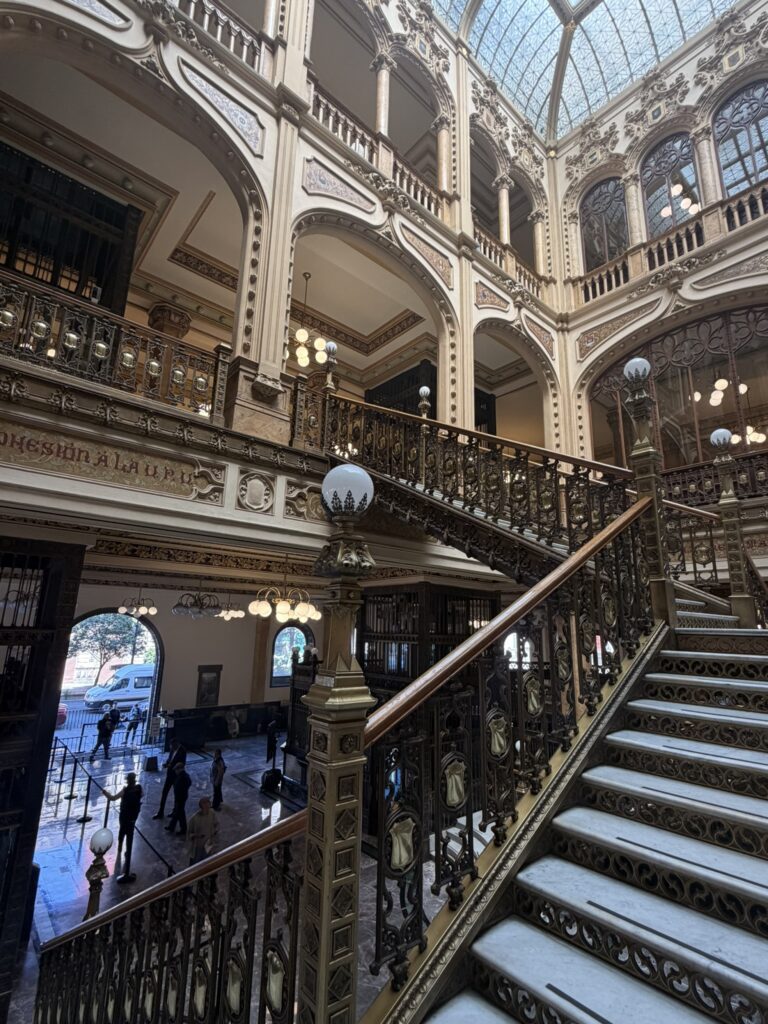
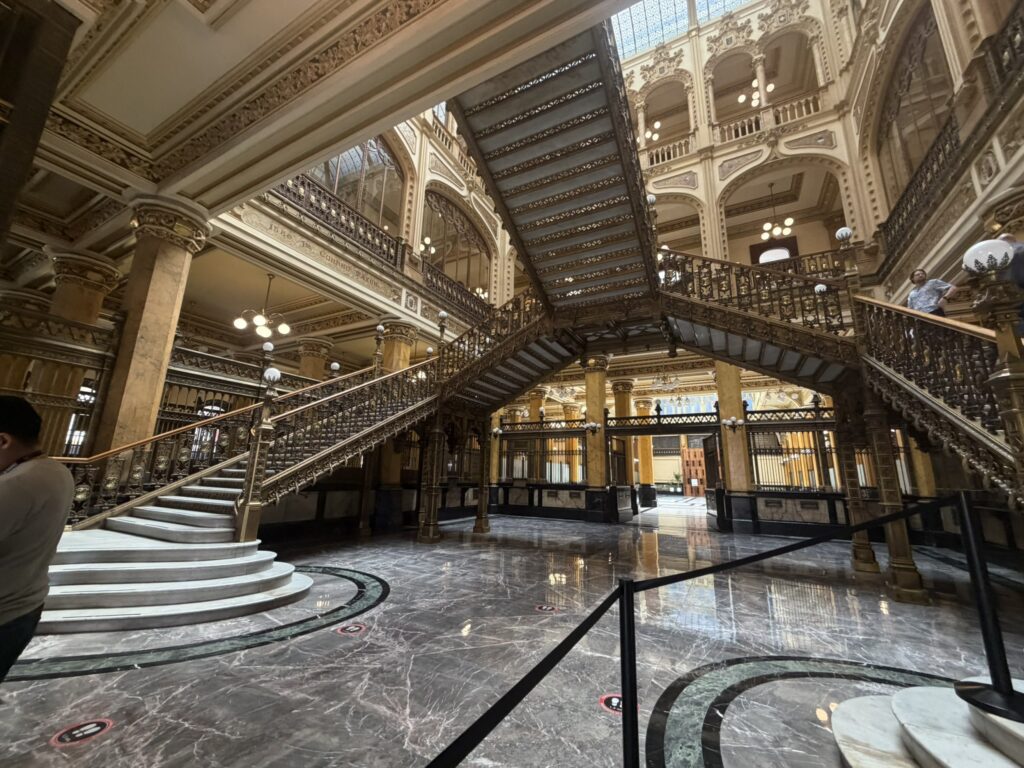
A block from the Palacio de Bellas Artes, this building is still a post office today. There are exhibits about the postal service as well as special exhibits inside, but it is worth the small price of admission just to see the beautiful building. (The parts of the building that serves as a post office is free, and beautiful. But the area that held the exhibits and the grand staircase required a small fee when I was there.) The architectural style seems to be a mix of neoclassical, baroque, art deco, art nouveau…everything you see across Mexico City. Even if you skip the exhibits, step inside. You won’t regret it.
I continued my cultural tour at Teotihuacan. More on that in my next post.
Tags:
Ooohh! I feel like I was there with you!